


Ragi: A Guide to Finger Millet, Uses & Everyday Cooking
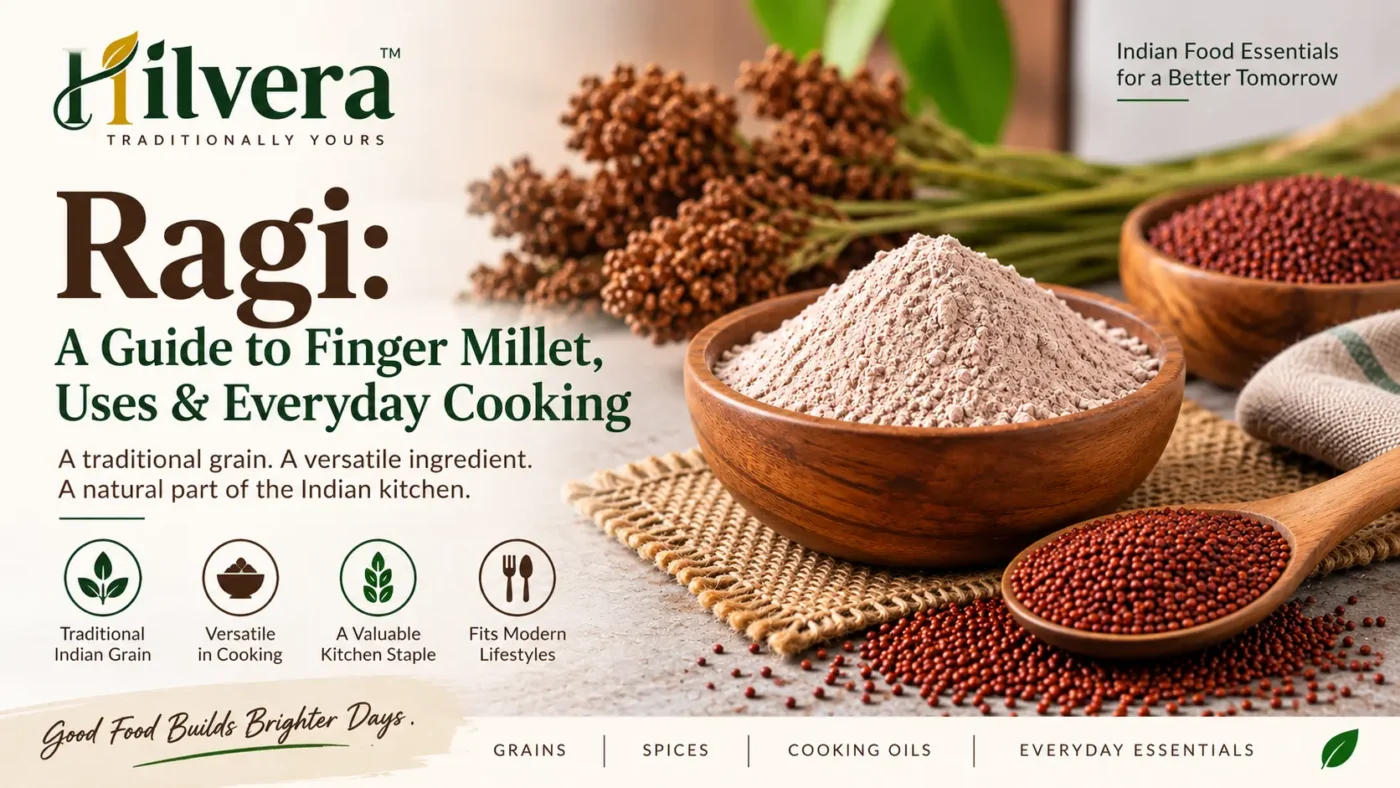
Ragi, also known as finger millet, has been part of Indian food traditions for generations. From traditional rotis and porridges to dosa and contemporary recipes, this small grain has found a place in many regional kitchens. Today, ragi is receiving renewed attention as households look for greater variety in the grains and flours they use every day.
What makes ragi particularly interesting is not simply its history, but its versatility. Ragi can be milled into flour and used in familiar preparations, combined with other flours, or incorporated into recipes that suit modern cooking habits. Its distinctive earthy character also gives dishes a flavour that is different from wheat and rice.
Understanding ragi begins with understanding the grain itself—where it comes from, how it is traditionally used, what ragi flour is, and how it can become a practical part of an everyday Indian kitchen.
What Is Ragi?
Ragi is the common Indian name for finger millet, a cereal grain belonging to the millet family. Its small, reddish-brown grains have been cultivated in parts of Africa and Asia for centuries, with a particularly strong culinary presence in India.
In Indian food culture, ragi has been used in different ways depending on the region. It may be ground into flour, cooked into a porridge, prepared as a flatbread, fermented for dosa or incorporated into other traditional dishes.
The grain’s ability to grow in varied conditions and its versatility in cooking have helped it remain relevant across generations.
Ragi in Indian Food Traditions
Indian cuisine does not have one uniform tradition. Ingredients and preparation methods change considerably from one region to another, and ragi is a good example of this diversity.
In parts of Karnataka and southern India, ragi has long been associated with preparations such as ragi mudde, dosa and porridge. Elsewhere, ragi flour may be used for roti, bhakri-style preparations, snacks and other regional foods.
These traditions demonstrate that ragi is not a newly discovered food. Its current popularity is better understood as renewed interest in an ingredient that has already had a long place in Indian kitchens.
Ragi Flour: From Grain to Kitchen
Whole ragi grains can be cleaned, processed and milled into flour. Once milled, ragi flour becomes considerably easier to incorporate into everyday recipes.
Ragi flour has a characteristic colour, aroma and earthy taste. Unlike wheat flour, it does not behave in exactly the same way when mixed with water or used for dough. This difference is important when preparing ragi-based flatbreads and other recipes.
Ragi can also be combined with wheat or other flours when a recipe calls for a different texture or structure. The proportion can be adjusted according to the preparation and personal preference.
What Makes Ragi Flour Different?
- It has a naturally distinctive earthy flavour.
- It has a characteristic reddish-brown colour.
- It behaves differently from wheat flour when making dough.
- It can be used in both traditional and contemporary recipes.
- It can be combined with other flours for different cooking applications.
How Ragi Is Used in Everyday Cooking
Ragi is versatile enough to move beyond a single traditional recipe. Once available as flour, it can become part of breakfast, main meals, snacks and baked preparations.
Ragi Roti
Ragi roti is one of the simplest ways to bring the grain into an everyday meal. The flour can be prepared with water and suitable seasonings, then shaped and cooked according to the recipe.
Because ragi does not contain gluten in the same way as wheat, handling a dough made entirely from ragi can require a different technique. Warm water and careful shaping are commonly used in traditional preparations.
Ragi Dosa
Ragi can also be incorporated into dosa batter. Depending on the recipe, it may be combined with rice, urad dal or other ingredients to create the desired texture and fermentation characteristics.
Ragi Porridge
Ragi porridge is another familiar preparation. Ragi flour is cooked with a suitable liquid and can be prepared in either savoury or sweet styles depending on regional and household preferences.
Ragi in Contemporary Recipes
Modern kitchens have expanded the ways ragi is used. Ragi flour can appear in pancakes, baked preparations, cheela, dosa variations and other recipes where its distinctive flavour works well.
The important point is that ragi does not need to be limited to traditional dishes. Its versatility allows it to move comfortably between traditional Indian cooking and contemporary home recipes.
Ragi and Wheat: Different Grains, Different Roles
Ragi and wheat are often compared because both can be milled into flour and used for flatbreads. However, they are different grains with different culinary characteristics.
Wheat flour develops a dough structure that makes it particularly suitable for foods such as roti and chapati. Ragi flour behaves differently and generally requires a different preparation method when used on its own.
This does not mean that one flour has to replace the other. In an everyday kitchen, different grains can simply have different roles.
Wheat may remain the preferred flour for regular roti, while ragi can be introduced through breakfast dishes, selected flatbreads or other recipes. This approach allows households to enjoy greater grain variety without making cooking unnecessarily complicated.
Understanding the Nutritional Side of Ragi
Ragi has attracted considerable interest because it naturally contains several nutrients, including dietary fibre and minerals such as calcium and iron. Its nutritional composition is one reason it has remained an important traditional grain and why it continues to attract attention today.
However, no single food should be viewed in isolation. The nutritional value of a meal depends on the ingredients used together, preparation methods and the broader eating pattern.
Ragi can therefore be considered one useful grain among many—not a substitute for a varied diet and not a food that needs exaggerated health claims to justify its place in the kitchen.
How to Choose Ragi Flour
When buying packaged ragi flour, consumers should look beyond attractive claims on the front of the pack. A few straightforward checks can make the buying decision easier.
Check the Ingredient Information
Look at the ingredient list and product description to understand what the package contains. Clear information makes it easier to compare products.
Consider Freshness
Flour is best purchased in quantities that suit your household’s consumption. Proper storage and reasonable turnover can help maintain its quality.
Look at the Packaging
Good packaging should protect the flour from moisture and contamination during transport and storage. Always follow the manufacturer’s storage instructions.
Choose According to Your Cooking
If you mainly prepare rotis, look for a flour that suits your preferred preparation. If you intend to use ragi for dosa, porridge or baking, consider how the flour is described and whether it fits the recipes you plan to make.
Storing Ragi Flour Properly
Once ragi has been milled into flour, appropriate storage becomes important. Moisture, heat and exposure to air can affect flour quality over time.
Keep ragi flour in a clean, dry and well-sealed container and store it according to the product instructions. Avoid placing it where it is exposed to unnecessary heat or humidity.
Buying a pack size that your household can comfortably use is also a practical approach. There is little advantage in purchasing more flour than you can reasonably store and consume while maintaining good storage conditions.
Ragi as Part of a Varied Indian Pantry
A useful pantry does not need to choose between tradition and modern convenience. Ragi can sit comfortably alongside wheat atta, rice, pulses, spices and other grains.
One week might include traditional wheat rotis, another meal may feature ragi dosa, and a different breakfast could use ragi porridge. The variety comes from the ingredients themselves and from the many ways Indian cooking brings them together.
This is one of the most practical ways to approach traditional grains: use them where they work well, experiment with recipes, and allow them to become part of the kitchen naturally.
Ragi for Modern Family Kitchens
The renewed interest in ragi is also a reminder that traditional foods can adapt to changing lifestyles.
Today’s households may have less time for elaborate cooking, but that does not prevent traditional ingredients from being useful. Ragi flour can be incorporated into relatively simple recipes and used alongside ingredients already present in the pantry.
The objective does not have to be recreating an old-fashioned kitchen exactly. It can simply be finding practical ways to use traditional ingredients within the routines of modern family life.
Hilvera™ Ragi Atta
At Hilvera™, we see ragi as an ingredient with both heritage and everyday relevance. Our focus is on making familiar Indian food essentials accessible for contemporary kitchens while respecting the traditions in which these ingredients have been used.
Hilvera Ragi Atta is made for households looking to use ragi flour in traditional and contemporary preparations. It can be used for recipes such as ragi roti, dosa, porridge and other flour-based dishes according to individual cooking preferences.
As with any packaged food, customers should refer to the current product packaging for ingredients, nutritional information, storage instructions and other product-specific details.
Making Ragi Part of Everyday Cooking
Ragi does not need to be treated as a complicated dietary project. It can simply be another ingredient in the pantry.
Start with a preparation that suits your household. Try a ragi dosa for breakfast, experiment with a ragi roti, or prepare a simple porridge. Once you become familiar with its flavour and texture, there are many other recipes to explore.
The value of a traditional grain lies not only in its nutritional composition, but also in its versatility, culinary history and ability to remain useful across generations.
Ragi: A Traditional Grain With a Place in Today’s Kitchen
Ragi has already stood the test of time. It has been grown, milled and cooked in Indian households for generations, long before the recent interest in traditional grains and millets.
Today, its role can be just as practical. Ragi flour can bring another grain into the kitchen, offer new possibilities for familiar recipes and reconnect modern cooking with regional food traditions.
Rather than looking at ragi as a passing trend, it makes more sense to understand it for what it is: a traditional Indian grain with a distinctive character and a wide range of culinary uses.
Hilvera™ — bringing traditional Indian food essentials into modern family kitchens.
Ragi, also known as finger millet, has been part of Indian food traditions for generations. From traditional rotis and porridges to dosa and contemporary recipes, this small grain has found a place in many regional kitchens. Today, ragi is receiving renewed attention as households look for greater variety in the grains and flours they use every day.
What makes ragi particularly interesting is not simply its history, but its versatility. Ragi can be milled into flour and used in familiar preparations, combined with other flours, or incorporated into recipes that suit modern cooking habits. Its distinctive earthy character also gives dishes a flavour that is different from wheat and rice.
Ragi is one of the grains included within the broader millet family. The Food and Agriculture Organization of the United Nations’ information on millets provides useful background on millet varieties, including finger millet, and their traditional and nutritional importance.