


Atta & Flours Guide
Finger Millet Whole Grain (Mandua/Ragi): Buying Guide, Benefits & How to Make Atta
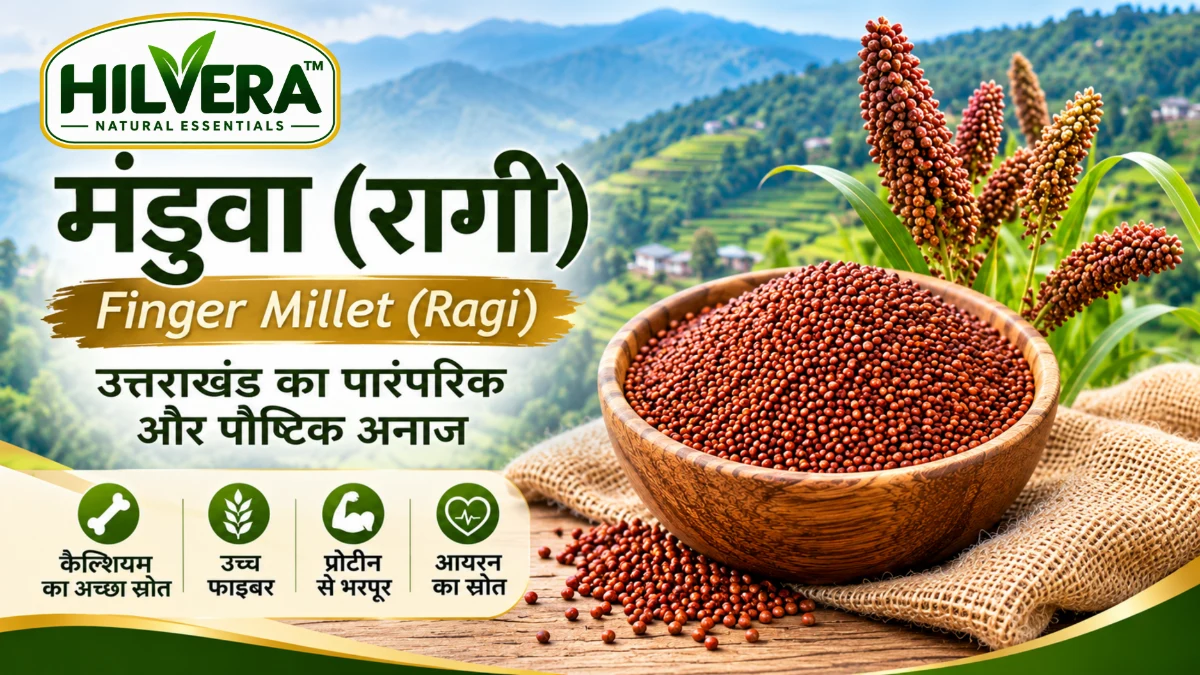
Finger millet whole grain (Mandua in Uttarakhand, Ragi elsewhere) is the unprocessed grain you can clean and mill into fresh atta for roti, porridge, dosa and ladoo. Buying the grain rather than ready flour lets you mill small batches, choose your own grind and keep the flour fresh.
This guide explains what to look for when buying whole finger millet, how to turn it into atta at home or at a local chakki, how to cook soft Mandua Roti with exact quantities, and how to store the grain and the flour.
Quick Answer
- What it is: Whole, unmilled finger millet (Eleusine coracana), a small reddish-brown grain called Mandua, Ragi, Nachni or Kezhvaragu depending on the region.
- Why buy the grain: You mill only what you need, so the flour stays fresh, and you can check the grain before it is ground.
- How to make atta: Clean, wash, dry completely, then mill at a chakki or with a strong grinder.
- Gluten: Naturally gluten-free, but cross-contact is possible during milling and packing, so strict gluten-avoiders must check the pack and the mill.
- Not for sowing: Food-grade grain is meant for cooking and is not tested seed for cultivation.
- Storage: Whole grain keeps longer than flour. Store in a sealed container in a cool, dry place.
What Is Finger Millet Whole Grain?
Finger millet is a small, round, reddish-brown to dark brown cereal. The name comes from the finger-like arrangement of its mature seed heads. In its whole-grain form, the grain is cleaned and graded but not ground, so the bran and germ stay intact until you mill it.
Regional names you may see on shelves:
- Mandua: Uttarakhand
- Ragi: Karnataka and several other states
- Nachni: Maharashtra
- Kezhvaragu: Tamil Nadu
Mandua has long been part of traditional food in the Himalayan region. As interest in millets grows, many households are going back to buying the grain and milling it fresh.
Why Buy Whole Grain Instead of Ready Flour?
- Freshness: Flour made from whole grain has natural oils and can turn stale sooner than the grain. Milling small batches keeps the flour fresher.
- Visibility: You can see the grain, its colour, size and cleanliness, before it is ground.
- Control: You choose the grind, from slightly coarse for porridge to fine for roti.
- Longer shelf life: Properly stored whole grain generally lasts longer than the flour made from it.
- Versatility: The same grain can be milled, roasted, or cooked in traditional preparations.
How to Choose Good Finger Millet Whole Grain
- Even, small, round grains in a uniform reddish-brown to dark brown colour.
- Clean grain with little dust, husk, stones or other seeds mixed in.
- A fresh, mild, earthy smell, with no musty, sour or chemical odour.
- No insect holes, webbing, clumps or damp patches.
- A clearly printed packing date and best-before date.
- An FSSAI licence number, ingredient list and packer details on the label.
- Clear wording that the grain is for food use.
Finger Millet Benefits
Nutrition varies with the variety and how it is processed. In general, finger millet offers the following.
1. Calcium
Ragi is particularly well known for its calcium content compared with many commonly eaten cereals. Calcium contributes to the normal maintenance of bones and teeth.
2. Dietary fibre
Whole-grain finger millet contains dietary fibre, which supports normal digestion and helps make meals more filling.
3. Iron
Ragi provides iron, a mineral involved in normal red blood cell formation and oxygen transport.
4. Plant-based protein
Finger millet contains plant protein and can contribute to daily protein intake as part of a varied diet.
5. Naturally gluten-free
Finger millet does not naturally contain gluten. If it is milled or packed on shared equipment, traces of wheat can be present. People with coeliac disease should use a product specifically labelled gluten-free, mill it on clean equipment, and speak to their doctor or dietitian.
Note: This article is for general food information and is not medical advice. If you manage diabetes, anaemia, kidney problems or any other health condition, ask your doctor or dietitian how finger millet fits into your meal plan.
How to Make Atta from Finger Millet Whole Grain
You can make ragi atta at a local chakki or at home with a strong dry grinder.
- Pick over the grain. Spread it on a plate and remove stones, husk and any dark or damaged grains.
- Wash gently. Rinse in a sieve under running water, only if you want the extra cleaning step. Drain well.
- Dry completely. Spread the grain thinly on a clean cloth and dry it in the shade or in the sun until it is fully dry and rattles when you move it. Any leftover moisture will cause lumps and spoil the flour.
- Mill. Take it to your local chakki, or grind small batches in a strong dry grinder. Mill at a fine setting for roti and a slightly coarser one for porridge.
- Cool and sieve. Let the flour cool fully before sieving, and then store it.
Tips:
- Ask the chakki to clean the machine first if you need to avoid wheat cross-contact.
- Mill only what you will use in a few weeks.
- Home grinders can overheat, so grind in short bursts.
How to Make Soft Mandua Roti
Finger millet has no gluten, so the dough is naturally crumbly. Hot water and a warm dough make it easier to handle.
Ingredients (makes 4 rotis)
- 1 cup (about 120 g) mandua (finger millet) atta, plus extra for dusting
- 2 tablespoons wheat atta (optional, helps beginners)
- ¼ teaspoon salt (optional)
- About ¾ cup hot water, adjusted as needed
- Ghee for serving
Method
- Mix the dry ingredients. Combine mandua atta, wheat atta (if using) and salt.
- Add hot water gradually. Mix with a spoon first since the dough will be hot. Ragi absorbs a lot of water.
- Knead while warm. Once cool enough to touch, knead for 3 to 4 minutes with wet hands until smooth.
- Rest for 5 minutes.
- Shape. Divide into 4 balls. Press each into a disc about 5 to 6 inches across on baking paper or a greased plastic sheet, or pat it between wet palms. Keep it slightly thick.
- Cook. On a medium tawa, cook about 2 minutes per side, then flip once more and press gently with a cloth so brown spots appear.
- Serve hot with ghee, dal, seasonal vegetables or jaggery.
Common problems and fixes
- Roti cracks at the edges: The dough is too dry. Knead in a spoonful of hot water.
- Dough sticks to your hands: Add a little more flour.
- Roti breaks when lifted: Make it slightly thicker, or add a little more wheat atta.
- Roti turns hard as it cools: Mandua rotis are best eaten hot. Wrap leftovers in a clean cloth and reheat briefly.
More Ways to Use Finger Millet
- Ragi porridge: Whisk the flour into cold water or milk first, then cook on low heat, stirring until thick. Add salt or jaggery.
- Ragi dosa: Mix ragi flour with rice flour or semolina into a thin batter.
- Ragi paratha: Blend ragi or mandua flour with wheat flour, for example 1:1.
- Ragi ladoo: Dry-roast the flour until fragrant, then combine with ghee and jaggery.
Ragi Atta vs Wheat Atta
| Feature | Finger Millet (Mandua/Ragi) Atta | Wheat Atta |
|---|---|---|
| Made from | Finger millet | Wheat |
| Gluten | Not naturally present | Present |
| Colour | Reddish-brown to dark brown | Cream to light brown |
| Dough | Crumbly, works best with hot water | Soft and elastic |
| Rolling | Press or pat by hand | Roll with a belan |
| Typical dishes | Mandua Roti, porridge, dosa, ladoo | Chapati, phulka, paratha |
You do not have to choose one over the other. Many households use wheat atta for daily rotis and add finger millet a few times a week.
How to Store Finger Millet Grain and Flour
Whole grain
- Keep in a clean, dry, airtight, food-grade container.
- Store in a cool, dry place away from sunlight, heat and moisture.
- Do not mix new stock with old stock.
- Check regularly for insects, damp patches or an off smell, especially in monsoon.
Freshly milled flour
- Cool fully before storing, and use an airtight container.
- Always use a dry spoon.
- In hot or humid weather, keep it in the refrigerator in a sealed container.
- Discard flour with a sour smell, lumps, insects or colour change.
Is Food-Grade Finger Millet Suitable for Sowing?
No. Grain sold for eating may not meet seed standards for germination and purity. Farmers should buy properly labelled, tested seed suited to their local climate and sowing season, and consult their nearest Krishi Vigyan Kendra or agricultural department.
Finger Millet Whole Grain from Hilvera
Hilvera™ is a consumer food brand of Upfront Enterprise, based in Dehradun, Uttarakhand. We make everyday food essentials such as chakki-fresh atta, cold-pressed oils and ground spices.
View Hilvera Finger Millet Whole Grain
Frequently Asked Questions
What is finger millet whole grain?
It is unmilled finger millet (Mandua/Ragi), cleaned and packed so you can grind it into fresh flour at home or at a chakki.
What is the difference between Mandua and Ragi?
There is no difference. They are regional names for finger millet.
Can I make ragi flour at home?
Yes. Clean the grain, dry it completely, then mill it at a chakki or in short bursts in a strong dry grinder. Cool the flour before storing.
Do I need to wash ragi before grinding?
Picking out stones and husk is essential. Washing is optional, but if you wash it, dry the grain completely before milling.
Is ragi naturally gluten-free?
Yes, but cross-contact with wheat can happen at the mill or during packing, so anyone who must avoid gluten strictly should use labelled gluten-free grain and clean equipment.
Why does my Mandua roti break?
The dough has no gluten. Use hot water, knead while warm, make the roti slightly thicker and handle it gently. A spoonful of wheat atta also helps.
How long does whole ragi last compared with flour?
Whole grain generally keeps longer than flour when stored dry and sealed. Follow the best-before date on the pack and check regularly in humid weather.
Can I use food-grade ragi grain for sowing?
Not recommended. Use properly identified and tested seed intended for sowing.
Final Thoughts
Starting with whole finger millet gives you fresher flour, more control and a chance to check the grain yourself. With clean, fully dried grain, a good mill and a hot, warm-kneaded dough, Mandua Roti is easy to make at home.
For product enquiries, contact Upfront Enterprise, Dehradun, Uttarakhand, India. Website: www.hilvera.in | WhatsApp: +91 9389923509
Explore more kitchen guides in our Atta & Flours section.