


Atta & Flours Guide
Chakki Fresh Atta Guide: How to Choose, Use & Store Whole Wheat Flour
In This Guide: Quick Summary
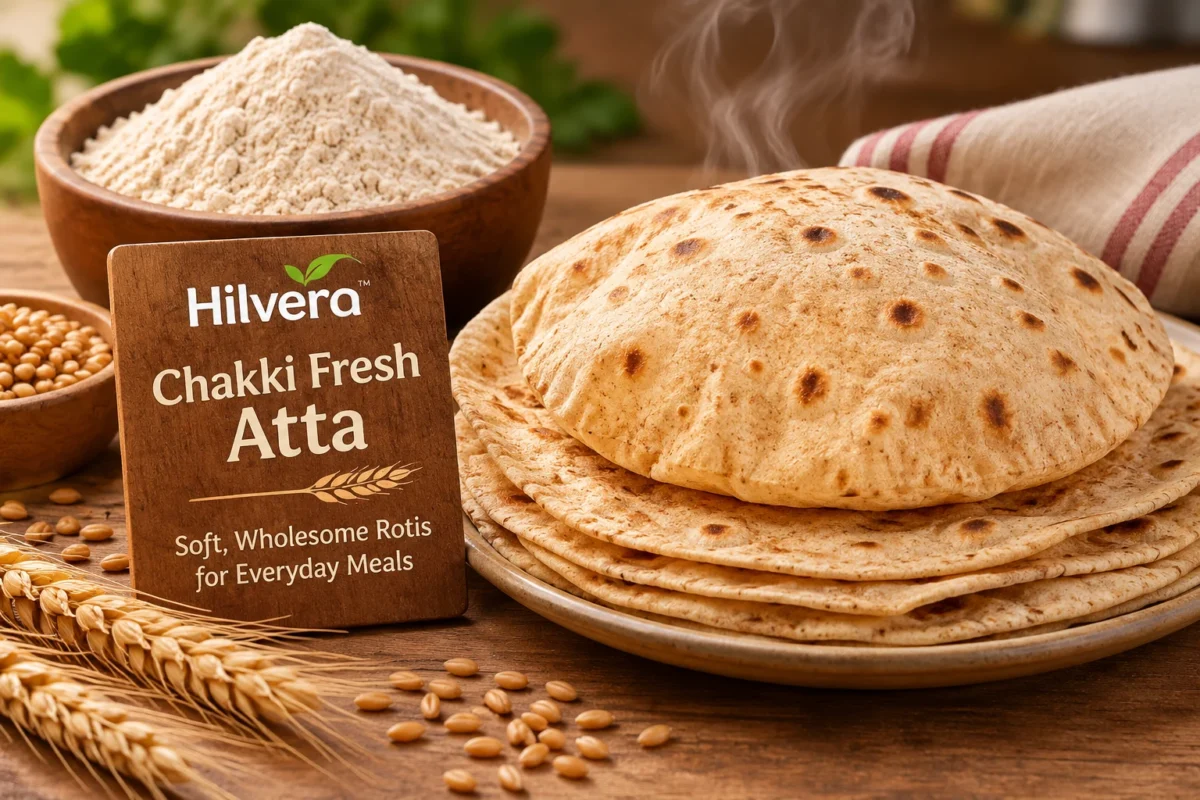
- What It Is: Chakki Fresh Atta is 100% whole wheat flour milled to retain the natural bran, germ, and endosperm for softer rotis and natural dietary fibre.
- What to Check Before Buying: Verify 100% whole wheat ingredients, recent manufacturing dates, natural creamy-wheat colour, intact moisture-barrier packaging, and clear FSSAI/manufacturer details.
- Best Storage Practice: Store opened atta in a clean, dry, airtight container away from kitchen heat and humidity to keep it fresh for 4–6 weeks.
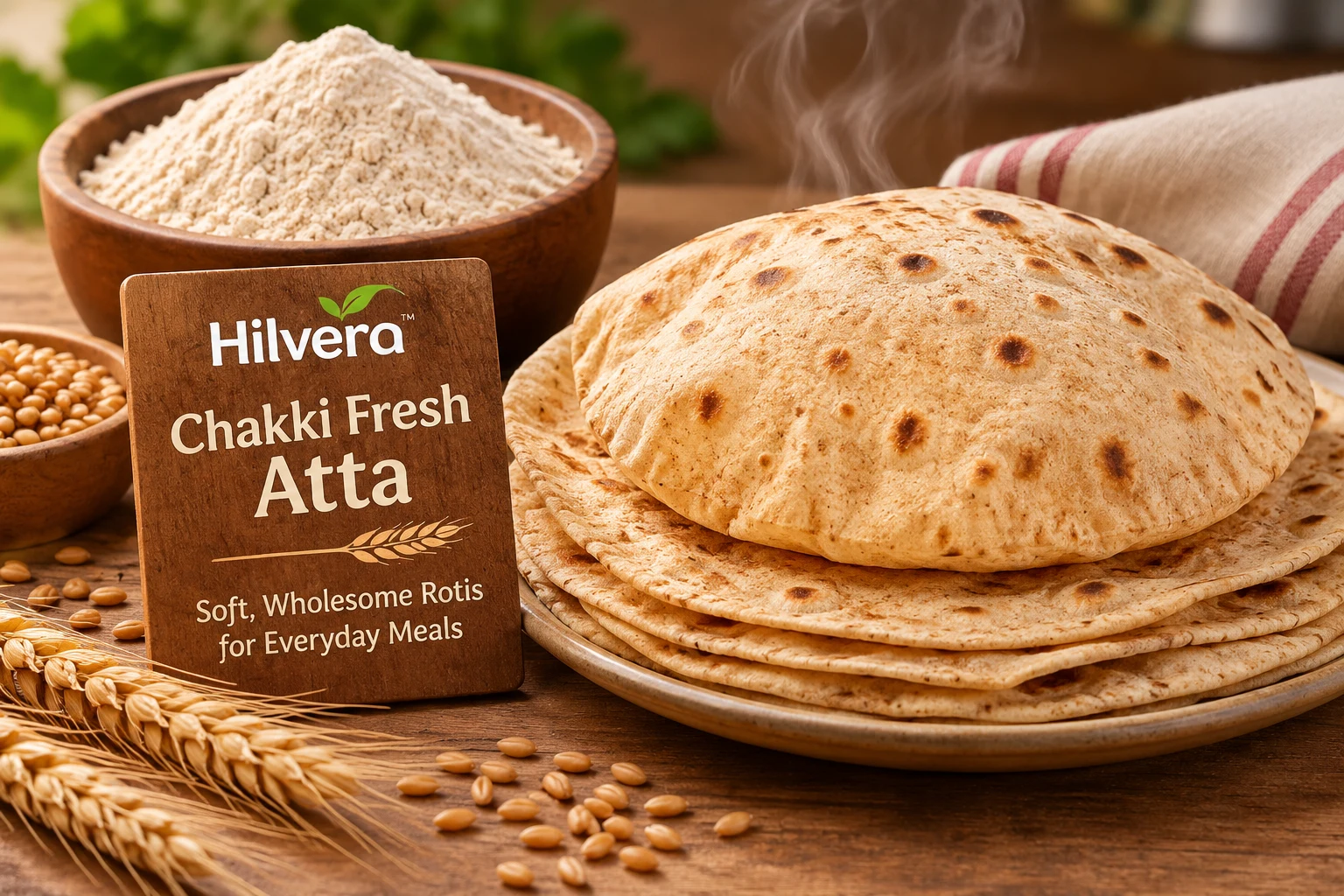
Fresh, soft rotis are the foundation of everyday meals in most Indian homes. Yet when rotis turn out dense or dry, we rarely stop to ask why. Is it the quality of the wheat, the way it was milled, or how the flour was stored at home?
Choosing the right Chakki Fresh Atta directly affects dough softness, water absorption, taste, and the overall cooking experience. In this practical guide, we break down how whole wheat atta is made, what to check on the pack before buying, and how to keep it fresh in your kitchen.
What Is Chakki Fresh Atta?
Chakki Fresh Atta is whole wheat flour produced by grinding cleaned wheat grains using a chakki-style milling process. Unlike refined flour (maida), which strips away the outer layers of the grain, true whole wheat atta retains all three natural parts of the wheat kernel:
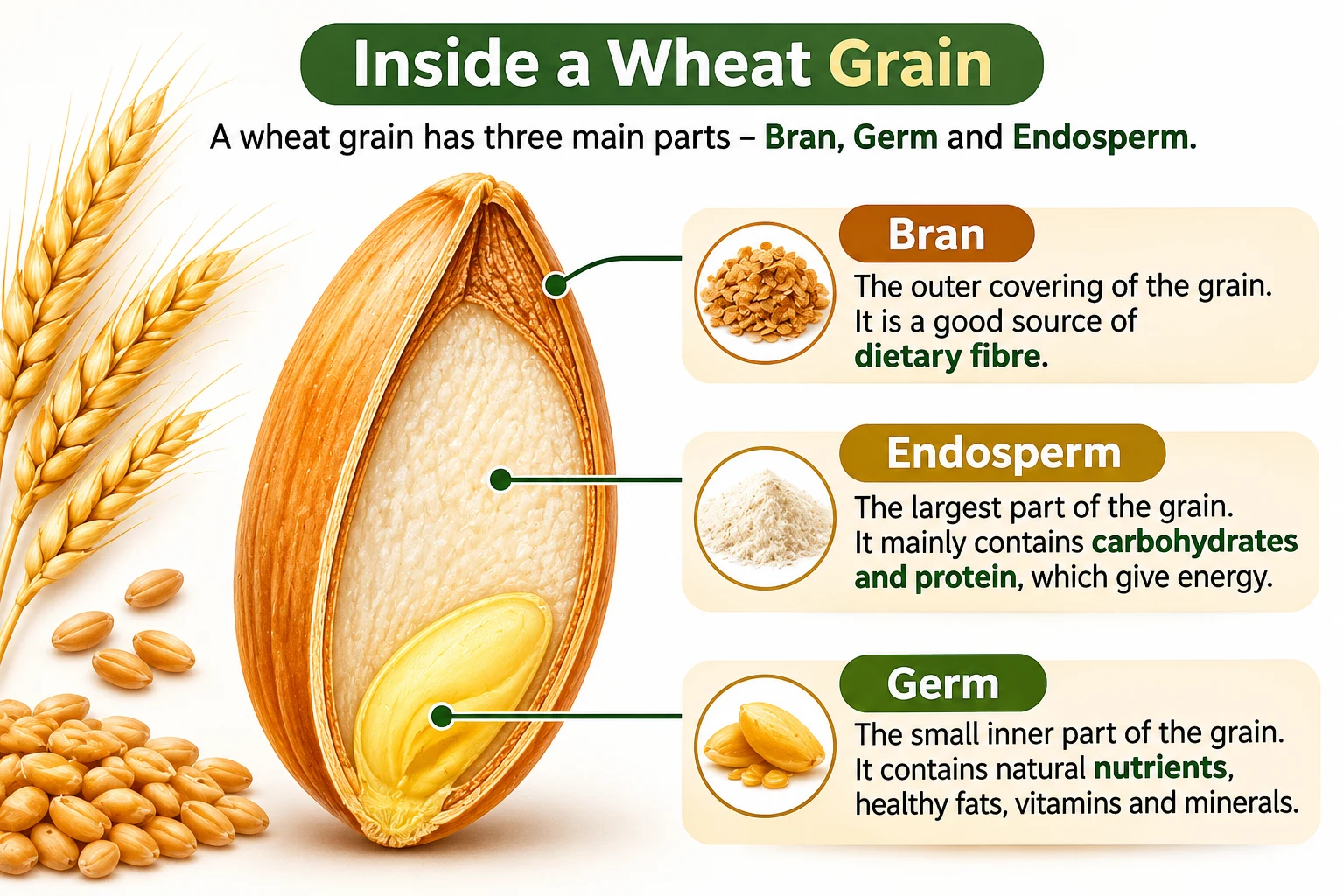
- Bran: The fibrous outer layer of the wheat grain that supports digestion and gives atta its natural texture.
- Germ: The nutrient-rich inner core containing natural oils, vitamins, and minerals.
- Endosperm: The largest part of the grain, providing natural carbohydrates and wheat protein (gluten) needed for soft, pliable dough.
Because the whole grain is milled together, whole wheat atta absorbs water evenly—helping dough stay soft and producing rotis that puff well and remain tender for hours.
How Good-Quality Chakki Atta Is Made
Consistent flour quality starts well before the wheat reaches the grinder. A dependable manufacturing process follows five essential stages:
1. Careful Selection of Wheat
Good atta begins with sound, well-matured wheat grains. Selecting suitable wheat varieties ensures balanced protein content, natural aroma, and reliable dough elasticity.
2. Multi-Stage Wheat Cleaning
Raw harvested wheat naturally carries dust, husk, straw, and tiny stones. Thorough pre-milling cleaning removes impurities so only clean grains enter the grinding chamber.
3. Controlled Chakki Milling
Cleaned wheat is ground using chakki-style milling to crush the grain into fine flour while keeping the bran, germ, and endosperm intact.
4. Flour Grading for Consistent Texture
After milling, the flour is graded to achieve uniform granulation. Proper granulation determines how smoothly the atta kneads and how easily it rolls out without tearing.
5. Hygienic, Moisture-Barrier Packaging
Freshly milled flour is packed in food-grade packaging to shield it from humidity, dust, and contamination during storage and transit.
5 Things to Check Before Buying Chakki Fresh Atta
You do not need to be a food technologist to pick good flour. Check these five details on the pack the next time you shop:
- Ingredient Declaration: Confirm that 100% whole wheat is listed clearly as the ingredient without unnecessary fillers.
- Manufacturing & Best Before Dates: Whole wheat contains natural grain oils in the germ, so fresher batches deliver better aroma and taste.
- Natural Colour & Granulation: Good atta has a warm, natural creamy-wheat shade rather than an artificially bleached white look. Slight colour variations across seasons are normal.
- Pack Integrity: Inspect the seal and corners for pinholes, tears, or dampness before purchasing.
- Transparent Manufacturer Details: Look for clear brand identity, a valid FSSAI license number, batch code, and customer care contact details.
Everyday Uses in Indian Cooking
Whole wheat chakki atta is one of the most versatile staples in an Indian kitchen, suited for:
- Everyday soft phulkas, chapatis, and tawa rotis
- Layered parathas and stuffed parathas
- Puffed pooris
- Homemade whole wheat breads, cheelas, and traditional snacks
How to Store Atta Properly at Home
Even well-packed flour can lose freshness if exposed to kitchen humidity. Follow these simple storage habits:
- Transfer opened atta into a clean, completely dry, airtight container (stainless steel or food-grade BPA-free plastic).
- Keep the container away from the stove, sink, and direct sunlight.
- Always scoop flour with a dry spoon or cup—never wet hands.
- Do not mix newly bought atta into the bottom of an old batch; finish the older flour first and wipe the container dry before refilling.
Hilvera™ Chakki Fresh Atta – Dependable Quality for Everyday Kitchens
At Hilvera™, we focus on making everyday kitchen staples honest, accessible, and dependable. Hilvera Chakki Fresh Atta is processed from cleaned wheat grains and packed under hygienic standards to deliver consistent softness and taste for daily family meals.
Manufactured and packed in Dehradun, Uttarakhand by Upfront Enterprise, Hilvera serves household kitchens as well as local retailers, restaurants, and catering kitchens across the region.
Ready to stock your kitchen?
Explore Hilvera Chakki Fresh Atta & Food Essentials →
Frequently Asked Questions About Chakki Fresh Atta
1. What is the difference between Chakki Atta and refined wheat flour (maida)?
Chakki atta is milled from the whole wheat grain—retaining the bran, germ, and endosperm—making it higher in natural dietary fibre. Maida is milled only from the starchy endosperm after removing the bran and germ.
2. Why do my rotis sometimes turn hard after a few hours?
Hard rotis usually happen when the dough is kneaded with too little water, not rested for 15–20 minutes before rolling, or cooked on a tawa that is too cool. Well-milled whole wheat atta absorbs adequate water and stays soft when rested properly.
3. Why does the colour of whole wheat atta vary slightly?
Natural variations in wheat varieties, harvest regions, and seasonal moisture levels cause slight shifts in flour colour. A light creamy-brown tint is normal for unbleached whole wheat flour.
4. How long does Chakki Fresh Atta stay fresh after opening?
When stored in an airtight container in a cool, dry place, opened atta typically stays fresh for 4 to 6 weeks. Always check the Best Before date printed on the pack.
5. Where is Hilvera Chakki Fresh Atta manufactured?
Hilvera food products are manufactured and packed by Upfront Enterprise (FSSAI Lic. No. 12625005000533) in Dehradun, Uttarakhand. Refer to the product pack for exact batch and manufacturing dates.
Final Thoughts
Great rotis start with clean wheat, balanced chakki milling, and proper storage. Taking a few seconds to check the ingredient list, manufacturing date, and pack seal ensures better meals on your table every day.
Hilvera™ – Everyday Food Essentials You Can Trust.
Manufactured & Packed by Upfront Enterprise, Dehradun, Uttarakhand | FSSAI Lic. No. 12625005000533