


Pure Kitchen Staples Guide: Atta, Oils & Spices | Hilvera
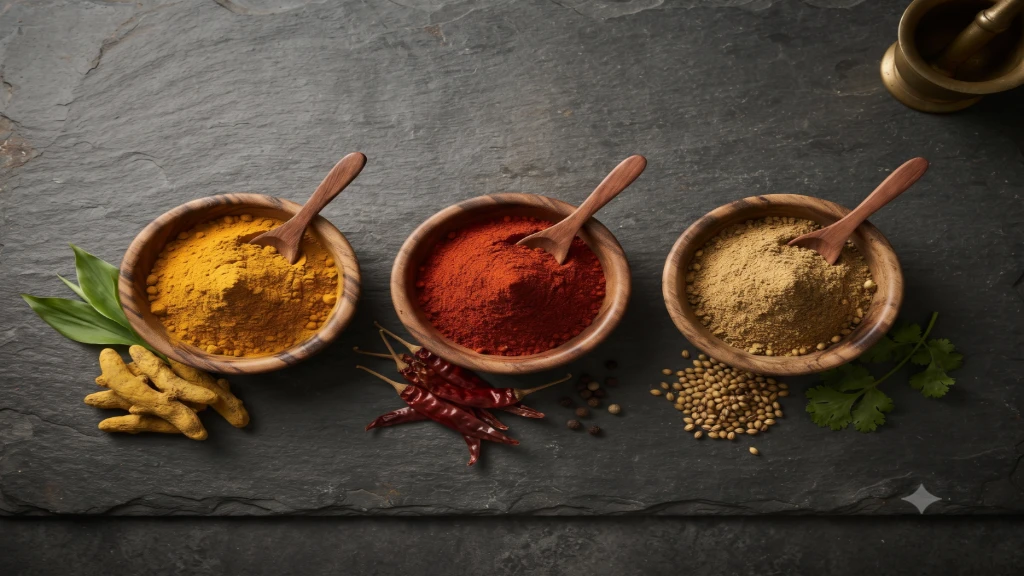
In most Indian households, daily nutrition is determined by three basic essentials: the flour used to knead rotis twice a day, the cooking oil used for tadkas and curries, and the ground spices that season every meal.
Despite their critical role in everyday health, mass commercialization has compromised all three. Large-scale retail brands frequently prioritize warehouse shelf life, rapid automated processing, and uniform cosmetic appearance over nutritional integrity. From roller-milled flours stripped of vital wheat germ to solvent-extracted refined cooking oils, common kitchen staples are often depleted of essential micronutrients.
This guide breaks down traditional processing versus industrial shortcuts, practical home purity tests, and standard criteria for evaluating everyday kitchen essentials.
1. Grain Integrity & Atta: Why Milling Technique Dictates Nutrition
Whole wheat (Triticum aestivum) consists of three distinct anatomical parts, each serving a unique biological purpose:
- The Bran (Outer Coat): Contains concentrated insoluble dietary fiber, B-complex vitamins (thiamine, niacin, riboflavin), and essential trace minerals.
- The Endosperm (Middle Layer): Forms the bulk of the kernel, containing complex carbohydrates, starch, and gluten-forming proteins (gliadin and glutenin).
- The Germ (Embryo): The living core of the grain, packed with natural vitamin E (tocopherols), unsaturated fatty acids, and essential micronutrients.
Roller Mills vs. Low-Temperature Chakki Pulverization
Industrial Roller Milling: High-speed steel rollers shear the grain, mechanically separating the bran and germ from the starchy endosperm. The germ is intentionally extracted because its natural oils oxidize over time, limiting extended warehouse shelf life. The remaining endosperm is milled into fine white flour (maida) or recombined with a small fraction of coarse bran to create commercial “whole wheat” flours that lack natural germ oil.
Traditional Low-Temperature Chakki Milling: In stone-ground or stoneless pulverizer milling, whole wheat grains are ground together at regulated, low temperatures. This process prevents thermal degradation of heat-sensitive vitamins and keeps the wheat germ intact. The flour retains its natural moisture retention capacity, resulting in softer rotis that stay pliable without artificial softening agents.
2. Edible Oils: Cold-Pressed (Kachi Ghani) vs. Solvent Refined
Cooking oil serves as both a culinary base and an essential delivery vehicle for fat-soluble vitamins (A, D, E, and K). However, the extraction technique directly dictates its biological and nutritional value.
| Parameter | Cold-Pressed / Kachi Ghani (Mechanical) | Refined Seed Oil (Industrial Solvent) |
|---|---|---|
| Extraction Method | Low-speed mechanical expelling (screw or wooden kolhu) | Chemical solvent extraction using petroleum-derived hexane |
| Operating Temperature | Maintained below 45°C – 50°C | Heated to 200°C – 250°C during deodorization |
| Chemical Refining | Zero chemical neutralization, bleaching, or deodorizing | Treated with caustic soda, bleaching clays, and TBHQ |
| Natural Antioxidants | Retains natural tocopherols, sterols, and balanced MUFA | Depleted during high-heat solvent recovery |
| Aroma & Pungency | Natural, pungent aroma from allyl isothiocyanate | Completely deodorized, neutralized, and flat |
True unrefined mustard oil (Brassica nigra or Brassica juncea) provides a balanced ratio of monounsaturated fatty acids (MUFA) alongside Omega-3 and Omega-6 fatty acids, creating the natural pungency essential for traditional Indian cooking.
3. Pure Ground Spices: Protecting Volatile Essential Oils
Everyday ground spices—turmeric (Curcuma longa), red chilli (Capsicum annuum), and coriander (Coriandrum sativum)—rely on delicate volatile oils for both flavor and bioactive properties:
- Turmeric (Haldi): Biological value depends directly on natural curcumin concentration (typically 2.5% to 5%). Adulteration often involves blending exhausted rhizomes, spent starch, or synthetic colorants like metanil yellow.
- Red Chilli (Lal Mirch): Heat and deep red color are derived from natural capsaicinoids. Lower-grade powders often incorporate spent seeds, sawdust, or synthetic Sudan dyes to simulate high color value.
- Coriander (Dhaniya): Purity is determined by the presence of natural linalool oil from whole roasted seeds. Adulterants commonly include husk powders and foreign starches.
Milling spices at low temperatures preserves their volatile essential oils, preventing the heat-induced loss of natural aroma, color, and antioxidant potency.
4. Practical Home Purity Tests for Kitchen Staples
You can evaluate basic purity indicators for common kitchen staples using simple home tests:
A. The Atta Gluten Web Test
Knead 50 grams of whole wheat flour with water into a firm dough ball. Place it under a gentle stream of running tap water inside a fine-mesh sieve, gently massaging the dough to wash away surface starches.
Observed Indicator: Genuine whole wheat flour leaves a cohesive, elastic, tan-colored gluten network with visible bran fiber. If the dough breaks down completely or dissolves into a chalky slurry, the flour was either blended with non-wheat fillers or milled from low-protein grain.
B. The Mustard Oil Cold Sedimentation Test
Pour 50 ml of mustard oil into a clear glass container and place it in the refrigerator at 4°C – 6°C for 3 to 4 hours.
Observed Indicator: Pure cold-pressed mustard oil remains a clear, transparent liquid due to its high monounsaturated fat content. If a white or cloudy semi-solid layer settles at the base, the oil has likely been blended with cheaper saturated fractions like palm oil.
C. The Turmeric Water Dispersion Test
Add one teaspoon of ground turmeric to a glass of lukewarm water without stirring. Allow it to stand undisturbed for 15 minutes.
Observed Indicator: Pure turmeric settles slowly to the bottom of the glass, leaving the water above light yellow and relatively clear. If the water immediately turns opaque, bright orange, or fluorescent yellow, chemical food dyes are likely present.
5. Local Manufacturing Transparency & FSSAI Compliance
At Hilvera™, daily staples are processed and packed with complete production traceability:
- Dedicated Facility: Manufactured and packed at our unit on Gujronwali Road, Nathuawala, Dehradun, Uttarakhand – 248008.
- FSSAI Certification: Formulated and monitored under FSSAI Lic. No. 12625005000533.
- Clean Label Standard: Zero added maida, synthetic colors, artificial flavorings, or chemical anti-caking agents.
Explore Pure Kitchen Staples from Dehradun
Discover unadulterated chakki fresh atta, cold-pressed oils, and whole ground spices packed fresh at our Dehradun facility.
Frequently Ask Question
Why do rotis made from stoneless milled whole wheat atta stay softer longer?
Stoneless pulverizer milling grinds the whole wheat kernel inside an enclosed chamber at regulated low temperatures, avoiding the friction heat and stone-grit contamination of conventional chakkis. By preserving 100% of the fibrous bran and natural wheat germ intact, the flour absorbs and retains water more effectively during kneading. This higher moisture retention keeps rotis naturally soft and pliable for hours without chemical softeners.
Does cold-pressed mustard oil produce foam when heated?
Pure, unrefined cold-pressed mustard oil may produce minor surface foaming when first brought to temperature due to the natural moisture and proteins retained during single mechanical expelling. Once the oil reaches cooking temperature and the natural moisture evaporates, foaming subsides completely.
How should unadulterated flours and ground spices be stored?
Because authentic stoneless flours and low-temperature ground spices contain zero chemical preservatives, fumigants, or synthetic anti-caking agents, they should be stored in clean, airtight food-grade steel or glass containers in a cool, dry pantry away from moisture and direct sunlight.